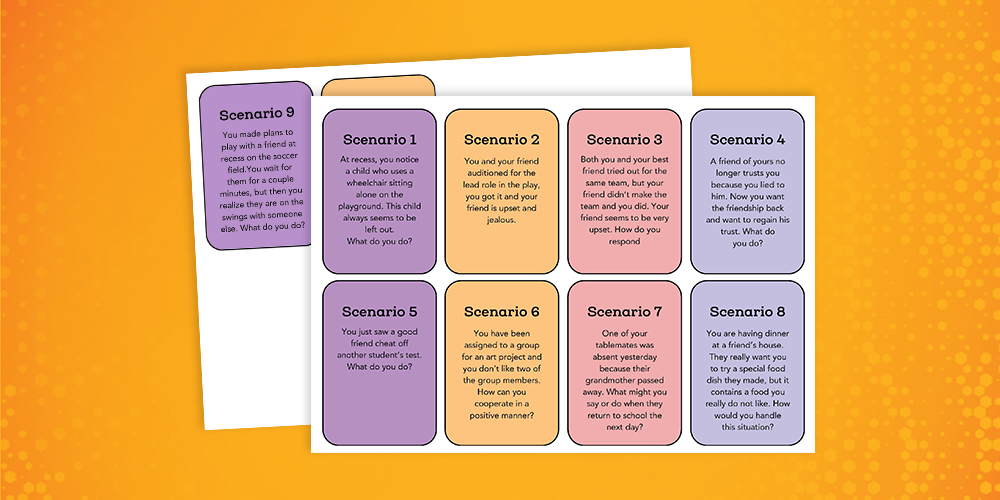
Social Scenarios: Empowering Children with Autism for Inclusion
For children on the autism spectrum, navigating the complexities of social interactions and unfamiliar environments can be a significant challenge. The world, with its unwritten rules, sensory overloads, and unpredictable nuances, often feels like a puzzle missing crucial pieces. This is where social scenarios, or social stories, emerge as an invaluable tool. These carefully constructed narratives and visual guides provide a roadmap, transforming daunting situations into manageable, predictable steps. By preparing children for various social situations, we empower them to participate more fully, fostering true inclusion beyond the classroom.
The concept of foundational social scenarios for children with autism, sometimes referred to as 'group 1' scenarios, focuses on core life skills and common social situations that are crucial for daily living and community engagement. These aren't just about teaching compliance; they're about building understanding, reducing anxiety, and nurturing independence. Let's explore how these powerful tools can unlock a world of possibilities for neurodivergent children.
The Power of Social Scenarios for Neurodivergent Children
At their core, social scenarios are short, personalized stories or visual sequences that describe a specific social situation, outlining the expected behaviors, the perspectives of others, and appropriate responses. They provide a predictable framework for situations that might otherwise be overwhelming due or confusing. For children with autism, who often thrive on routine and clear expectations, these scenarios offer a crucial sense of security and understanding.
The effectiveness of social scenarios lies in their ability to demystify social interactions. They can break down complex social rules into simple, digestible steps, reducing cognitive load and anxiety. By illustrating what might happen, what others might do or say, and how the child can respond, these tools equip children with the knowledge and confidence to navigate various environments. This proactive approach helps prevent potential behavioral challenges often rooted in confusion or sensory overload, fostering greater self-regulation and promoting successful participation in everyday activities. Moreover, by repeatedly practicing these foundational scenarios, children can generalize these learned skills to new, similar situations, leading to greater independence and genuine inclusion in their communities.
Cultivating Cultural Connections: Scenarios for Accessible Arts & Museums
Cultural experiences, such as visiting museums and art galleries, are an irreplaceable bridge to understanding the world and fostering personal growth. However, for many children with neurodevelopmental differences, including autism, these environments can present significant barriers. The noise, the crowds, the "do not touch" rules, and the abstract nature of some exhibits can be incredibly challenging. This is why initiatives focused on creating accessible cultural spaces, like the art gallery in Descartes developed with S.Braguier, an INRAP archaeologist, are so vital. These spaces often include adaptations such as tailored workshops, clear visual signage, and sensory-friendly options, recognizing that inclusion extends far beyond the school gates.
To help children on the spectrum engage with these rich cultural opportunities, preparing with social scenarios is key. Before a visit, a "What to Expect at the Museum" scenario can be created, detailing the journey, the entrance process, what they will see, and what behaviors are expected (e.g., quiet voices, looking with eyes). Visual schedules showing the sequence of activities within the museum can be incredibly helpful. Furthermore, choosing exhibitions that align with the child's specific interests or learning styles—such as interactive or tactile displays that allow for touching—can significantly enhance engagement and reduce stress. Parents can role-play specific interactions, like asking a guide for help or understanding how to move respectfully through a gallery. Creating a social story about a specific piece of art the child might see, including its history or what emotions it might evoke, can also make the experience more meaningful. By employing these strategies, we ensure that children with autism can also enjoy and benefit from the invaluable exposure to art and history. For more in-depth strategies on preparing for cultural outings, consider reading our article on Inclusive Culture: Scenarios for Accessible Museums & Galleries.
Navigating Public Spaces: Essential Scenarios for Safety and Shopping
Safety Scenarios: What to Do When Lost
The thought of a child getting lost in a public place is a parent's worst nightmare, and for families with a child on the autism spectrum, this risk can be particularly acute, often leading to dramatic consequences. Children with autism may wander, become disoriented, or struggle to communicate their needs effectively when distressed. This is why developing clear, actionable social scenarios for safety is paramount. These foundational scenarios empower children with essential strategies should they become separated from their caregivers.
A crucial scenario focuses on "What to Do If I Get Lost." This scenario should be simple, step-by-step, and practiced regularly. It might include:
- Stop and Stay Put: Emphasize staying in the last known safe spot rather than wandering further.
- Identify a Safe Adult: Teach the child to look for specific identifiers, like someone in a uniform (store employee, police officer), a parent with other children, or a customer service desk.
- Practice Key Phrases: Role-play saying, "I'm lost, can you help me find my grown-up?" or "My name is [Child's Name] and I need help."
- Show Identification: Ensure the child has visible identification. This could be a sewn-in label on clothing, a wristband, a keychain, or a card in their pocket with emergency contact information. GPS trackers are also invaluable tools for added peace of mind.
These scenarios should be practiced in calm environments, making them routine rather than reactive. The goal is to build muscle memory and confidence, transforming a potentially terrifying situation into one where the child feels a degree of agency and knows how to seek help effectively.
Shopping Scenarios: Turning Chores into Learning Opportunities
Grocery shopping, often a mundane chore for many, can be a highly stressful and unpredictable experience for individuals with autism. The bright lights, loud noises, crowded aisles, and overwhelming choices can quickly lead to sensory overload and behavioral challenges. As many parents discover, strategies like online grocery shopping for major needs, supplemented by smaller, targeted trips to local stores or organic markets, can significantly reduce stress. The key is often to involve the child in a structured, predictable way, transforming what could be a source of anxiety into an opportunity for learning and participation.
Social scenarios for shopping can be incredibly effective. Before leaving home, create a "Going to the Grocery Store" scenario that outlines the steps: driving to the store, entering, finding items, checking out, and going home. Visual shopping lists are particularly powerful. These can be made with pictograms, photos, or even laminated cards with Velcro, allowing the child to "scratch off" items as they are placed in the cart. This not only provides a clear task but also offers a sense of accomplishment.
Involve the child by letting them choose a few preferred items (alongside the necessary purchases), assign them tasks like pushing a smaller cart, finding specific items on the list, or helping to place items on the conveyor belt. This engagement reduces inaction, a common trigger for behavioral issues, and turns shopping into an interactive learning experience. For more detailed guidance on making public outings smoother, check out our article Navigating Public Spaces: Scenarios for Autism Safety & Shopping.
Crafting Effective Scenarios: Tips for Parents and Educators
Creating and implementing social scenarios effectively requires thought, creativity, and a deep understanding of the individual child. Here are some essential tips to maximize their impact:
- Personalization is Key: Every child with autism is unique. Scenarios must be tailored to their specific interests, communication style (verbal, visual, AAC), developmental level, and sensory sensitivities. Use language and visuals that resonate with them.
- Visual Supports are Paramount: Leverage visual aids extensively. Photos, pictograms, simple drawings, or even short video models can make scenarios much more concrete and understandable than text alone. A visual sequence for each step is often more effective than a lengthy paragraph.
- Keep it Positive and Instructive: Frame scenarios in a positive light, focusing on what to do rather than what not to do. Clearly state expected behaviors and the positive outcomes of following the scenario.
- Practice and Repetition: Scenarios are not a one-time fix. Practice them regularly through role-playing, discussion, and real-life application. Start with easier situations and gradually introduce more complex ones.
- Breaks and Reinforcement: Integrate opportunities for breaks within longer scenarios, especially in challenging environments. Provide positive reinforcement (praise, small rewards) when the child successfully applies the scenario's teachings.
- Flexibility and Adaptation: While scenarios provide structure, remember that real life is unpredictable. Teach children that it's okay if things don't go exactly as planned and model flexible thinking. Be prepared to adapt the scenario based on the child's response or unexpected changes in the environment.
- Collaborate: Work with therapists, teachers, and other caregivers to ensure consistency across environments. Sharing scenarios and strategies helps reinforce learning and provides a unified support system for the child.
Conclusion
Social scenarios are far more than just teaching tools; they are keys to unlocking a more inclusive and independent life for children with autism. By providing clear, predictable, and personalized roadmaps for navigating complex social situations and public spaces, these foundational strategies empower children to understand their world, manage anxiety, and participate more fully in community life. From exploring vibrant art galleries to confidently managing a trip to the grocery store, and crucially, knowing what to do in an emergency, social scenarios build confidence and bridge communication gaps. Embracing these proactive strategies demonstrates a profound commitment to fostering true inclusion, allowing every child on the spectrum to shine and thrive in their own unique way.